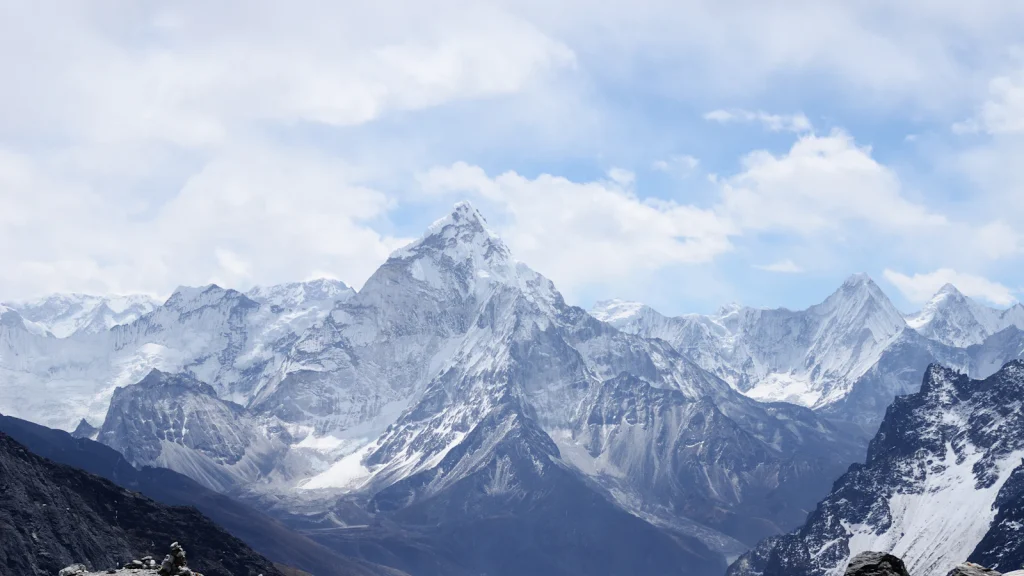
Our story · Origin
Nepal’s tea story is younger than its neighbours’, but no less remarkable. The first tea bushes were planted in the eastern hills of Ilam in the 1860s, from seeds and cuttings that crossed the border from Darjeeling. For more than a century, Nepali tea quietly grew in the shadow of its famous neighbour.
That has changed. Today, small gardens across Ilam, Panchthar, Dhankuta and Terhathum produce orthodox teas that buyers from Europe and Japan seek out by name.
Why altitude matters
High in the Himalayan foothills, cool nights, morning mist and thin, bright sunlight slow the growth of the tea bush. Slower growth means the leaf has more time to build the aromatic compounds that give a cup its character: floral notes in spring, ripe fruit and honey in summer.
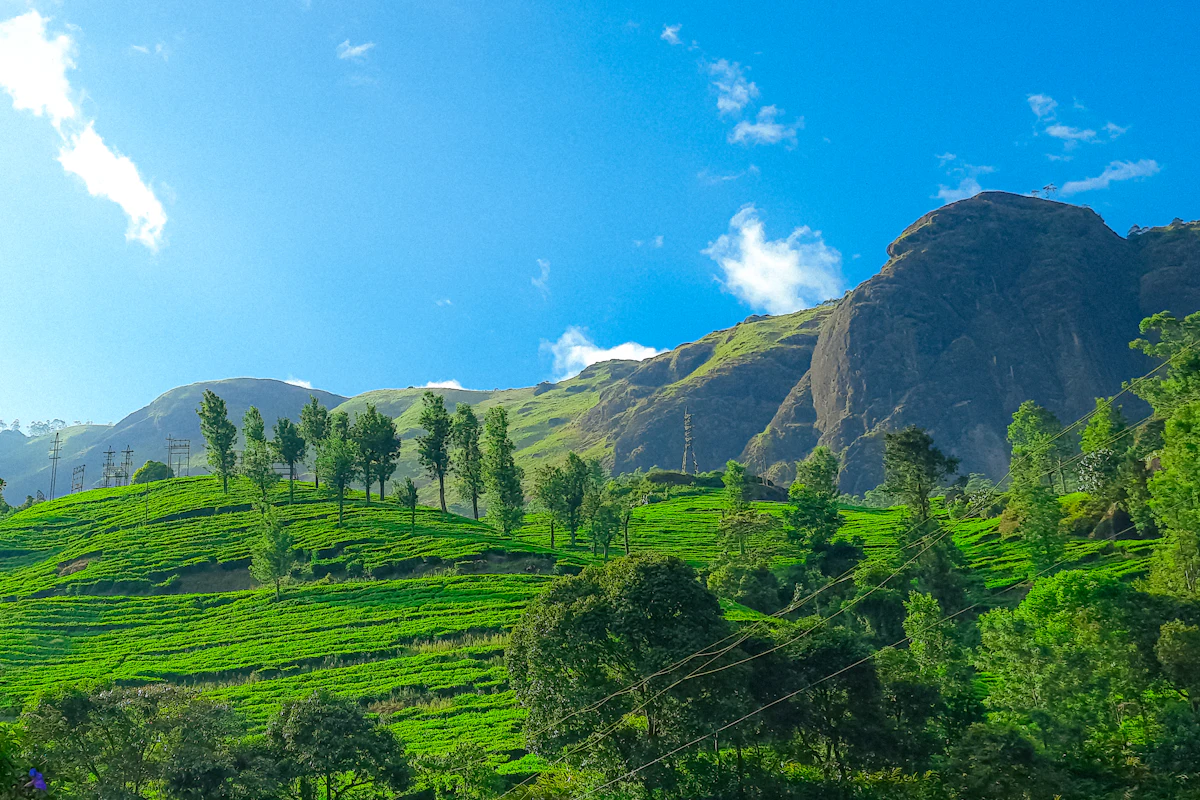
Young mountains, mineral soils
The Himalaya are among the youngest mountains on Earth. Their steep slopes drain quickly and their soils are rich in minerals. Tea bushes here put down deep roots, and many tasters notice a clean, crisp finish in Nepali teas that they describe as “mineral”.
A legacy reborn
After the civil conflict ended, a new generation of growers and small factories began to focus on quality over quantity, hand-plucking only the tender top leaves and processing them in small batches. The Great Himalayan Tea works with these gardens to bring their teas straight to your cup.