The Collection · Tea basics
It surprises many people: white, green and black tea all come from the same plant, Camellia sinensis. The same bush on a Himalayan hillside can become any of the three. What changes everything is what happens to the leaf after it is picked, above all how much it is allowed to oxidise.
Oxidation in one sentence
When a fresh tea leaf is bruised or rolled, its natural compounds react with air and the leaf slowly darkens, a bit like a sliced apple turning brown. Tea makers control this process to shape colour, aroma and flavour.
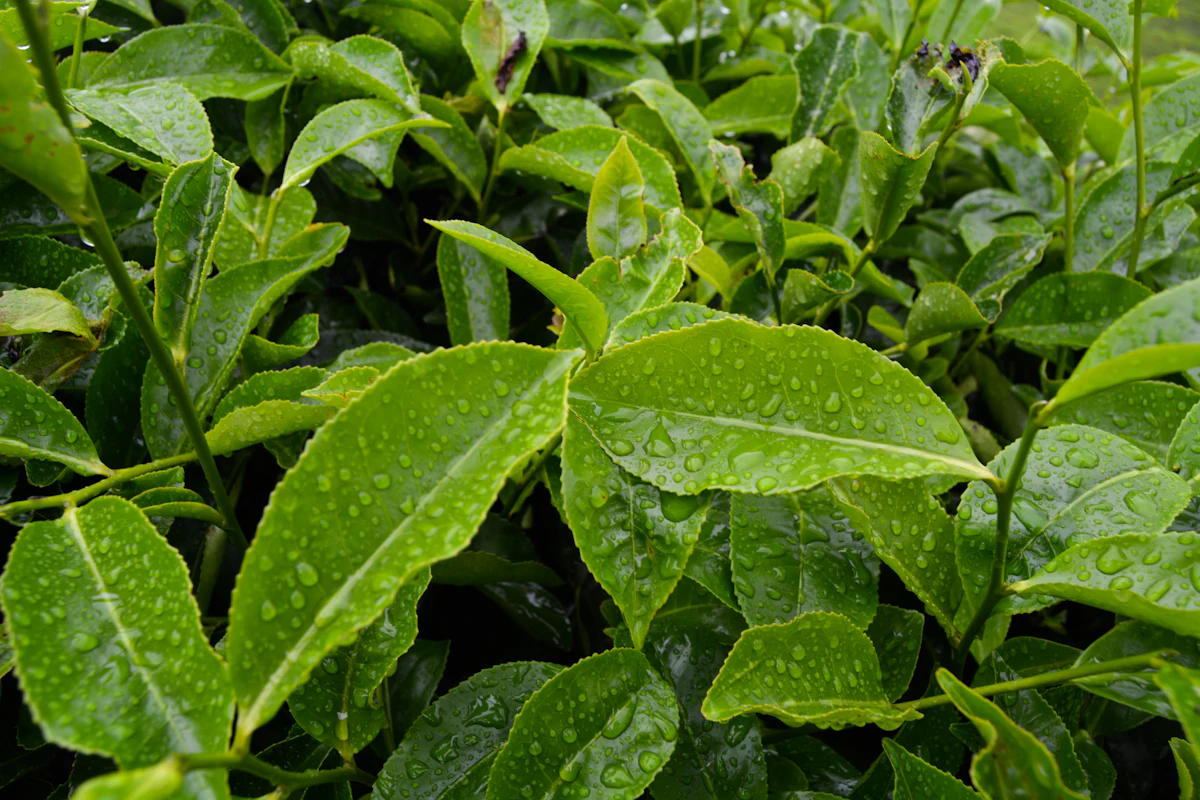
White tea: barely touched
White tea is the least processed. Young buds and leaves are simply withered and dried, with no rolling. The result is pale, soft and naturally sweet, with notes of honeydew, hay and white flowers. Our Silver Dawn Grand Reserve is made only from downy buds.
Green tea: oxidation stopped early
For green tea, the fresh leaves are heated soon after picking. This “fixing” step stops oxidation, keeping the leaf green and the flavour fresh: sweet grass, chestnut, sometimes orchid. Try our Emerald Mist green teas.
Black tea: fully oxidised
Black tea is withered, rolled to break the leaf cells, then left to oxidise fully before drying. It brews a deep amber cup with malt, honey and ripe fruit notes, and stands up well to milk. Our Himalayan Gold Classic is a good place to start.
At a glance
| Tea | Processing | Taste | Brew at |
| White | Withered and dried | Delicate, sweet, floral | 80–85°C |
| Green | Heated to stop oxidation | Fresh, grassy, nutty | 75–80°C |
| Black | Rolled and fully oxidised | Malty, honeyed, fruity | 90–100°C |
Which should you try first?
If you usually drink milk tea, start with black. If you like something light and refreshing, try green. If you want a quiet, delicate cup to sip slowly, choose white.