The Terroir Reports
Tea is a seasonal crop. In the Himalayan foothills the bushes rest through the cold winter, then send out new shoots in waves through the year. Each wave is called a flush, and each one has its own character.
First flush (spring)
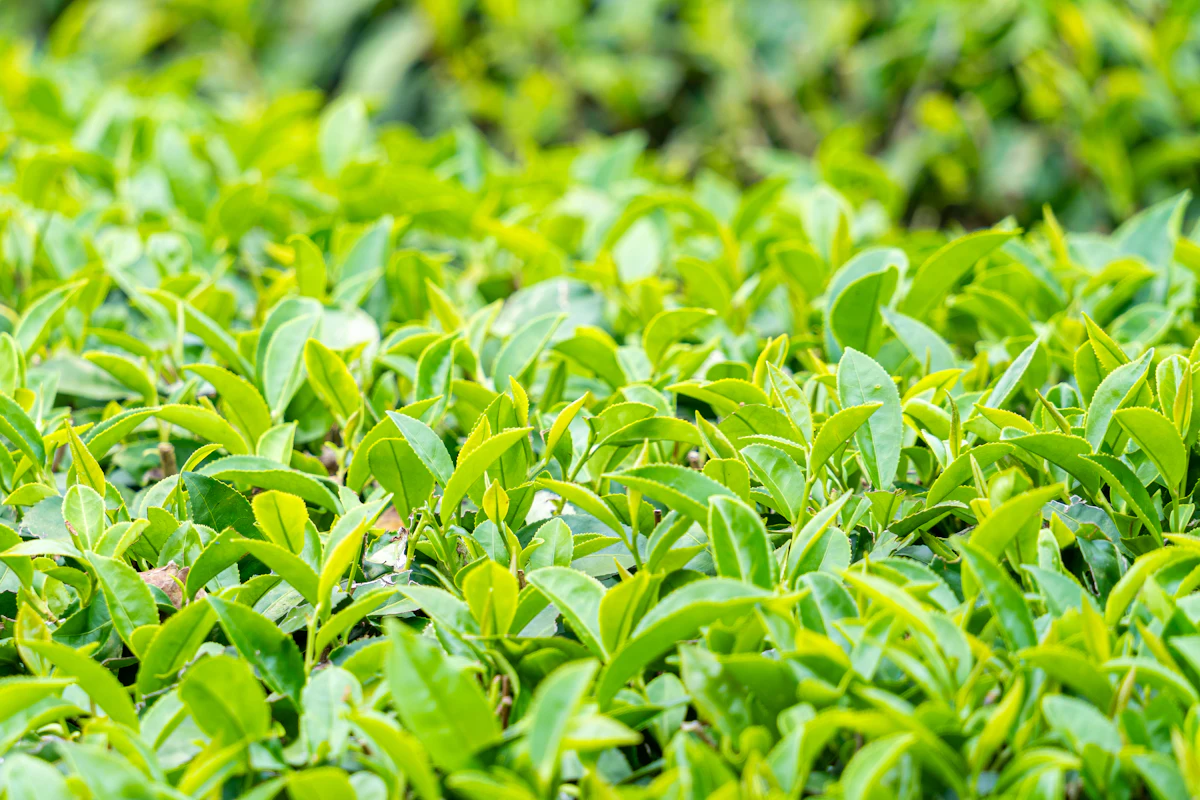
After winter dormancy, the first tender shoots appear in early spring. Teas from this flush are light and bright, often floral and green even when made as black tea. They are prized for their freshness, and quantities are small.
Second flush (early summer)
As the weather warms in late spring and early summer, the second flush grows. The leaves are fuller and the cup is richer and rounder, sometimes with the famous muscatel note, a ripe, grape-like sweetness. Taste it in our Himalayan Summer Second Flush.
Monsoon flush
Heavy summer rains bring fast growth. Monsoon teas are usually bolder and more robust, well suited to strong morning cups and to milk tea.
Autumn flush
As the rains end and nights cool, growth slows again. Autumn teas are smooth and mellow, with warm, coppery, sometimes nutty notes, like our Autumn Ridge.
Why it matters
The same garden can produce very different teas through the year. Knowing the flush helps you choose: bright and floral in spring, rich and fruity in summer, mellow in autumn.