The Terroir Reports
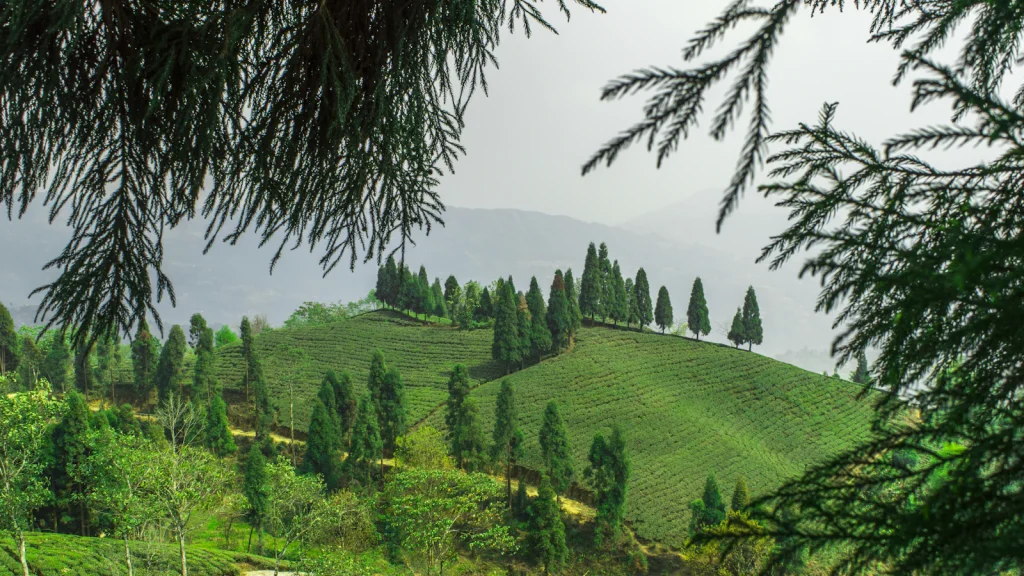
In the far east of Nepal, close to the border with Darjeeling, the hills of Ilam are covered in neatly clipped tea bushes. On clear mornings the terraces glow green; on misty ones the gardens disappear into cloud.
A long tea history
Tea has been grown in Ilam since the 1860s, making it the oldest tea-growing area in Nepal. Today the eastern districts are home to large estates and thousands of small family farms that grow and sell their own leaf.
Why the hills matter
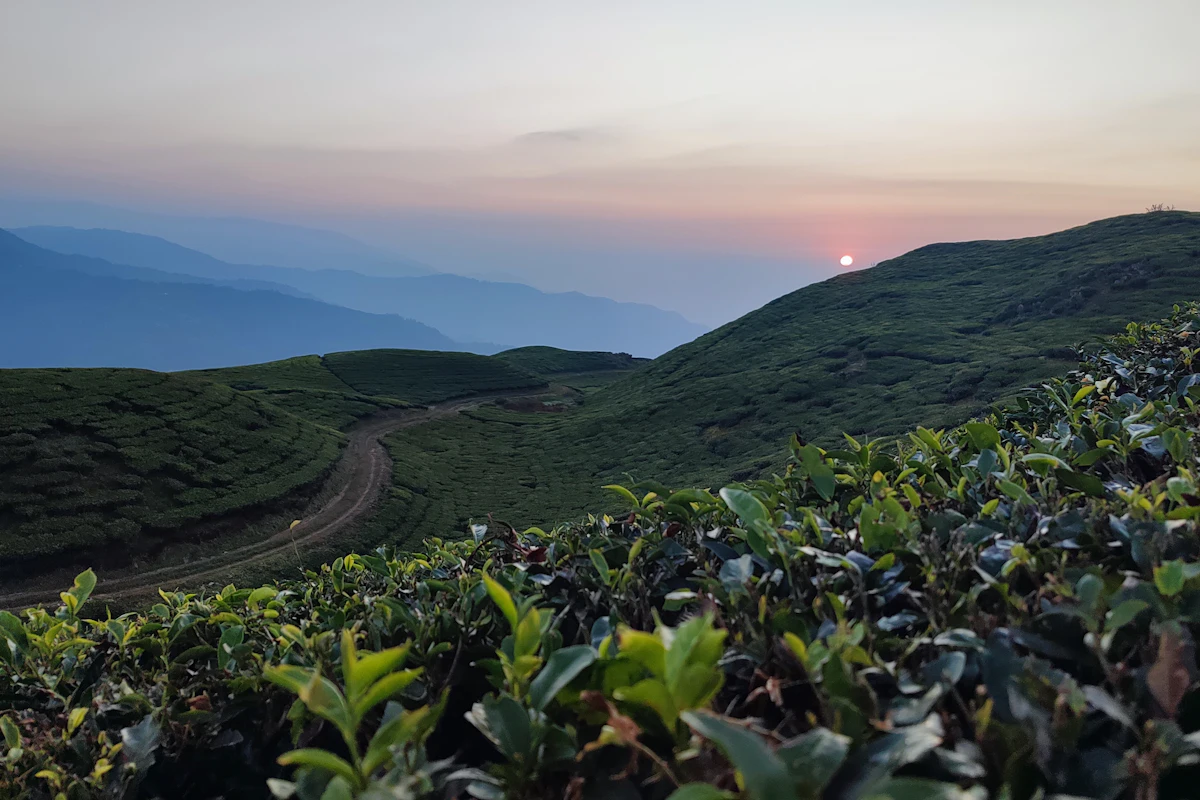
Altitude, cool temperatures, mist and well-drained slopes all slow the growth of the tea bush. Slower growth tends to give leaves with more concentrated aroma, which is why high-grown Himalayan teas are known for their clarity and floral, fruity notes.
Orthodox tea
Most fine Nepali tea is made in the orthodox style: whole leaves are withered, rolled, oxidised and dried, rather than cut into small pieces. This keeps the leaf intact and gives a more nuanced cup, especially when brewed loose.
Visiting
Ilam’s tea gardens are open landscapes and a popular stop for travellers in eastern Nepal. If you go, early morning is the best time to see the mist lifting off the terraces.